
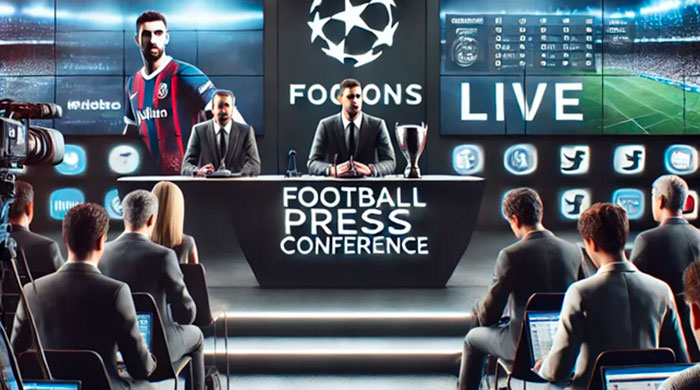
Communication in football clubs must be managed with the same rigor as the sporting and financial aspects. In times of maximum exposure, where every word can be amplified and reinterpreted, controlling the narrative and ensuring message consistency are essential to protecting the institution’s reputation and interests. But how far should this control go? How can transparency, strategy and authority be balanced?
Firm Grip, but Strategic Intelligence
Clubs must have a structured and professional communication approach, with clear guidelines. Controlling the club’s social media is now a universal practice, but what about players’ social media? Can problematic statements or emotional reactions be avoided? The answer lies in a well-defined code of conduct that educates and prevents rather than merely restricts. The club should guide but not censor.
Example: In 2022, Marcus Rashford of Manchester United posted a critical comment about refereeing after a match. The post went viral, resulting in a fine and disciplinary action. If a well-implemented media training plan and code of conduct had been in place, this incident could have been avoided.
Blackouts: A Strategy of the Past?
Does the old concept of a media “blackout” still have a place in modern football? In certain moments, yes. Team focus before crucial matches may justify distancing from the press, but total isolation can seem outdated and even counterproductive. The challenge today is managing the flow of information without appearing closed off. Effective communication means keeping channels open but under control.
Example: In 2019, Liverpool Football Club imposed a media blackout before a cup final. Instead of protecting the players, this strategy increased speculation and created extra pressure on the team. In contrast, Manchester City Football Club maintained controlled media interactions, carefully filtering information. The latter approach proved more effective.
Crisis Management: What to Do When Everything Goes Wrong?
Crises are inevitable: an internal scandal, controversial refereeing decisions, a dispute between players or an institutional failure. The mistake many clubs make is responding too late or without strategy. Complete silence can be interpreted as guilt, while impulsive responses can escalate the problem. The right approach involves speed, transparency and control of the narrative. Having a predefined crisis management plan is crucial.
Example: In 2023, Juventus Football Club faced a doping scandal involving one of its players. The club responded swiftly, holding a press conference with a well-prepared statement, demonstrating a commitment to the truth while protecting its institutional image. This type of response can minimize damage and maintain public trust.
Relations with Sponsors and Institutional Entities
Club communication is not limited to fans and journalists. Sponsors and governmental institutions have their own expectations and interests. How can a club maintain good relationships without compromising its identity? The key lies in clarity and setting boundaries: a club must not be held hostage by a sponsor, nor should it appear politically aligned. Diplomacy and independence are essential.
Example: Paris Saint-Germain faced backlash from fans after signing a sponsorship deal with a controversial company. Transparent communication and a clear explanation of the partnership’s benefits helped mitigate the damage. The challenge is to balance commercial interests with the club’s identity.
Internal Communication: A Reflection of the Club’s Culture
Many forget that internal communication is the foundation of external communication. A disorganized structure, contradictory messages, or lack of alignment between departments will eventually be exposed publicly. The club’s culture must be lived internally before it is communicated externally. Strong internal communication prevents information leaks, misunderstandings, and ensures that all club members represent the same vision.
Example: FC Barcelona experienced a crisis when its sporting director publicly contradicted the coach’s strategy. This created confusion and distrust among fans and players. Stronger internal communication could have prevented this situation.
Conclusion: Well-Managed Communication, Well-Positioned Club
Football has evolved and so has communication. Strategy, rigor and adaptability are essential for a club to manage its image effectively, preserve its identity, and maintain healthy relationships with all stakeholders. Professional and well-structured communication is as valuable an asset as a strong squad or efficient financial management. In modern football, words also score points.
Nuno Azevedo e Cardoso